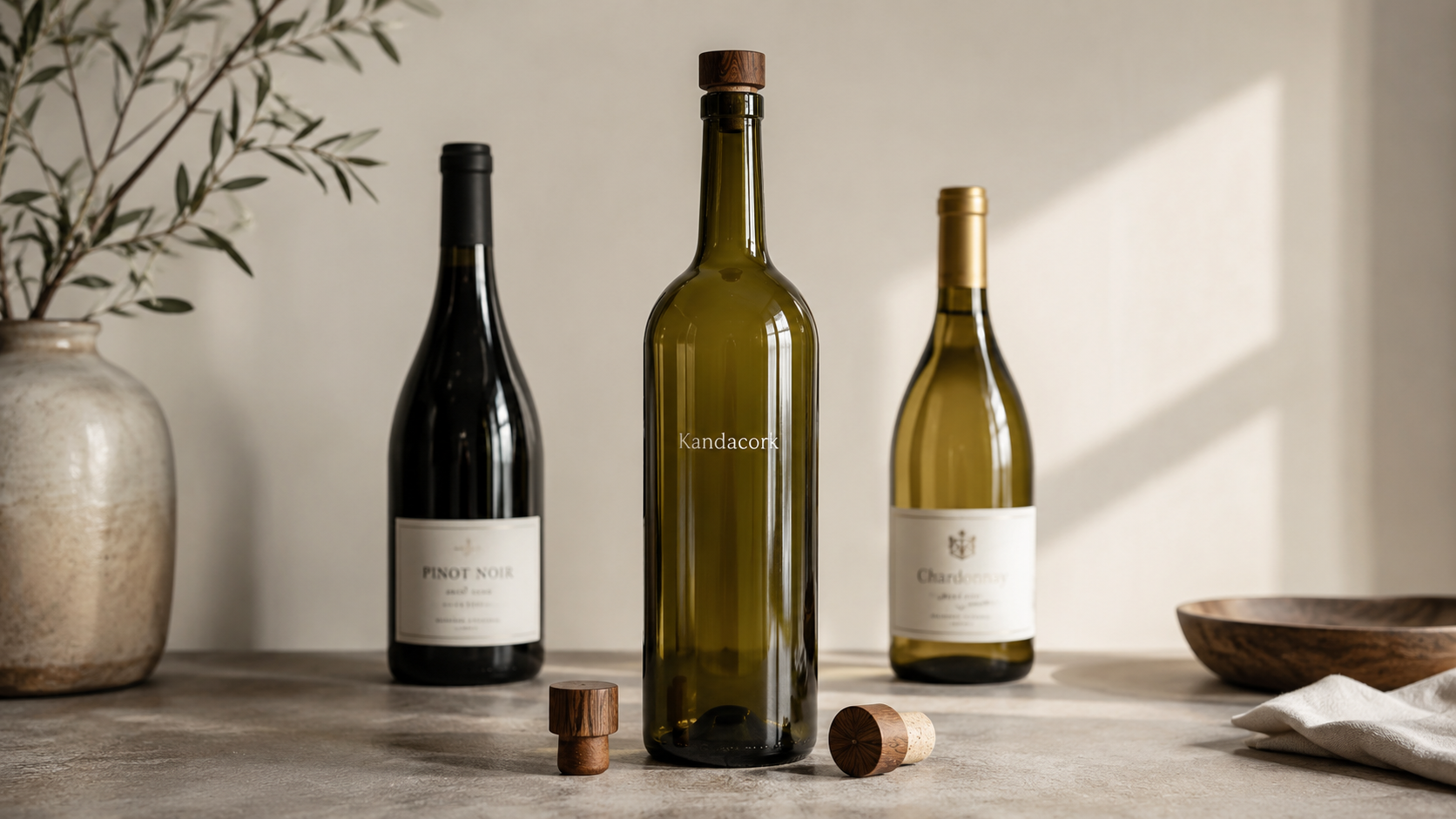
Selecting the appropriate bottle stopper is essential for preserving the quality and longevity of your beverages. Whether you’re sealing a fine wine, a bottle of spirits, or a homemade brew, the closure you choose can significantly impact the product’s freshness, taste, and shelf life. This comprehensive guide explores the different types of bottle stoppers, materials, performance metrics, and sustainability considerations, providing expert insights to make an informed decision.
Introduction: The Importance of the Right Bottle Stopper
The main function of a bottle stopper is to create an airtight seal, preventing oxidation and contamination. A well-sealed bottle ensures the product’s flavor and freshness remain intact. Without a reliable stopper, your beverage could suffer from flavor degradation, loss of carbonation, or spoilage. When choosing the right bottle stopper, consider the material, pressure resistance, and sealing capability.
A study by the Australian Wine Research Institute highlights that the oxygen transmission rate (OTR) is one of the most critical factors in determining the shelf life of wine. A stopper with a low OTR is essential for preserving the quality of wine and spirits. As a result, choosing the appropriate bottle stopper becomes crucial for both preservation and brand quality.
A Brief History of Bottle Closures
Bottle closures have come a long way from their humble beginnings. Natural corks, made from the bark of cork oak trees, have been the traditional choice for wine and spirits since the 17th century. Over the years, new materials have emerged, including synthetic corks, screw caps, and glass bottle stoppers, offering enhanced sealing performance and new branding opportunities. These modern alternatives provide different features that are suitable for various types of beverages, whether it’s still wine, sparkling wine, or liquor.
Comprehensive Guide to Bottle Stopper Types
Natural Cork Stoppers
Natural cork stoppers are derived from the cork oak tree and remain one of the most popular choices for wine and spirits packaging. They are prized for their ability to form an airtight seal and are biodegradable, making them an eco-friendly option. However, natural corks can sometimes lead to cork taint, a condition where the wine develops an off-flavor due to contamination during the corking process.
For a more sustainable and cost-effective solution, natural corks are often used in combination with alternative methods, such as screw caps or synthetic corks.
Synthetic Corks
Synthetic corks are a popular alternative to natural corks. Made from plastic, rubber, or other polymers, synthetic corks provide a consistent, reliable seal. They are resistant to cork taint, ensuring that the flavor of the beverage is preserved. Synthetic corks are often used for mass-market wines and spirits as they are cheaper to produce and provide a more uniform product.
However, one downside to synthetic corks is that they are not biodegradable, which raises environmental concerns. Despite this, many manufacturers are working on improving the recyclability of synthetic closures to minimize their environmental impact.
Screw Caps
Screw caps, made from aluminum, are another commonly used closure, particularly in countries like Australia and New Zealand. These closures provide a hermetic seal that prevents oxygen ingress, ensuring that the wine or spirits remain fresh for longer. Screw caps are especially popular for preserving the freshness of white wines and sparkling beverages.
While screw caps are practical and efficient, they are sometimes seen as less traditional compared to cork stoppers. However, they offer significant advantages, including ease of use and consistency.
Glass Stoppers
Glass bottle stoppers are ideal for premium wines and spirits due to their high-end appearance and reusability. These closures provide an airtight seal and a sophisticated presentation, making them perfect for luxury products. Glass stoppers are often custom-designed to match the branding of the beverage, offering a high degree of customization.
The downside to glass stoppers is their higher cost, which may not be suitable for large-scale production. However, for high-end brands, the investment in custom glass stoppers can help elevate the product’s image and perceived value.
Silicone and Rubber Stoppers
Silicone and rubber stoppers are flexible and can form tight seals on most bottles. These closures are often used in home brewing and for smaller batch beverages. Silicone stoppers are dishwasher safe and reusable, making them a cost-effective option for personal use. However, silicone and rubber stoppers may not be suitable for long-term storage of high-quality wines and spirits due to their potential for degradation over time.
Key Materials & Manufacturing Processes
The material of the bottle stopper plays a significant role in its performance. Natural cork is harvested from cork oak trees without damaging the tree, making it an eco-friendly material. The harvesting process ensures the sustainability of cork forests, which are renewable and contribute to the environment.
On the other hand, synthetic corks are manufactured through extrusion and injection molding, offering consistency but at the cost of higher environmental impact. Newer synthetic corks are designed to be more recyclable, but they are still not as sustainable as natural cork.
Metal bottle stoppers, such as aluminum and stainless steel, are often used for their durability and aesthetic appeal. These closures are commonly seen in high-end spirits packaging and are also environmentally friendly, as they are fully recyclable.
Performance Metrics that Matter
Oxygen Transmission Rate (OTR)
The Oxygen Transmission Rate (OTR) is a key factor in choosing the right stopper for your beverage. OTR measures the rate at which oxygen passes through the stopper, affecting the aging process of wine and spirits. For wines, a lower OTR is crucial to preserve the wine’s freshness. Synthetic corks generally offer a more controlled OTR than natural cork, making them suitable for wines that require longer storage.
Pressure Resistance
Sparkling wines and carbonated beverages require stoppers that can withstand high pressure. Materials like metal and certain synthetic corks are designed to handle the internal pressure without compromising the seal. These stoppers ensure that the carbonation is retained and the product remains fresh for a longer period.
Chemical Resistance
The materials used for bottle stoppers must also be chemically inert to prevent interactions with the beverage. For example, certain plastics may react with acidic liquids like vinegar or spirits, potentially altering the flavor. Natural corks, on the other hand, are generally inert and do not affect the taste or quality of the beverage.
Choosing the Right Stopper: Decision Framework
| Beverage Type | Recommended Stopper Type |
|---|---|
| Still Wine | Natural Cork, Synthetic Cork |
| Sparkling Wine | Champagne Cork, Screw Cap |
| Spirits | Synthetic Cork, Glass Stopper |
| Homebrew | Silicone, Rubber Stopper |
| Olive Oil | Metal Cap, Plastic Cap |
When selecting a stopper, consider the type of beverage, the desired shelf life, and the sealing properties. For long-term storage, a natural cork or synthetic cork is ideal, while screw caps and metal caps are best for short-term preservation.
Customization & Branding Opportunities
Bottle stoppers can also serve as a key branding tool for businesses. Custom bottle stoppers, which can be engraved, embossed, or made in unique shapes, help enhance the product’s appeal. Personalized closures can elevate the perceived value of the product and make it stand out on store shelves. This is particularly useful for premium spirits brands or for promotional purposes.
For example, a company may opt for a custom glass bottle stopper that matches the branding of their product, providing a luxurious and distinctive touch. Additionally, companies can add logos, taglines, or brand messages to create a unique consumer experience.
Sustainability & Lifecycle Analysis
Sustainability is an important consideration when choosing a bottle stopper. Natural cork is one of the most eco-friendly options, as cork oak trees are renewable resources that support biodiversity. In addition, cork forests act as carbon sinks, helping to reduce greenhouse gases.
In comparison, synthetic corks and screw caps have a higher environmental impact due to the production of plastic and metal. However, some manufacturers are now making efforts to improve the recyclability of these closures, and using recyclable metals and plastics can help reduce their overall carbon footprint.
Cost & Supply-Chain Considerations for Businesses
When sourcing bottle stoppers for your business, it’s essential to consider factors such as material costs, lead times, and supplier reliability. Bulk purchasing can help lower costs, but it’s crucial to maintain consistent quality. Building strong relationships with reliable suppliers ensures that you can get the stoppers you need on time without compromising on quality.
Businesses should also take into account the environmental impact of the stoppers they choose and strive to select sustainable options. For brands focusing on sustainability, natural cork may be the best option, while synthetic corks and screw caps may be suitable for cost-effective, high-volume products.
Care, Maintenance & Consumer Tips
- Proper Cleaning: Regularly clean reusable stoppers to prevent residue buildup and preserve their effectiveness.
- Storage Conditions: Store bottles upright to prevent corks from becoming damaged or compromised.
- Replacement Intervals: Periodically replace stoppers to maintain optimal sealing and preserve beverage quality.
FAQs: Quick Answers to Common Questions
Q: Can I reuse a cork stopper?
A: Yes, cork stoppers can be reused, but they may lose their sealing ability after multiple uses, leading to air exposure.
Q: Are synthetic corks recyclable?
A: Some synthetic corks are recyclable, depending on the materials used. Be sure to check with local recycling facilities.
Q: Which stopper is best for sparkling wine?
A: Champagne corks or screw caps designed for high pressure are ideal for sparkling wines as they can maintain carbonation.
Conclusion & Next Steps
Selecting the right bottle stopper is crucial for preserving the quality of your beverage. Consider factors like material properties, performance metrics, and sustainability when making your choice. For businesses, establishing reliable supply chains and considering customization options can enhance brand identity and product appeal.
Kandacork Glass Bottle Stoppers
Kandacork Glass offers a diverse range of high-quality bottle stoppers to meet various packaging needs:
- Wooden Bottle Stopper:Crafted from natural wood, these stoppers provide an elegant and eco-friendly sealing solution, ideal for premium wines and spirits.
- Aluminium Bottle Stopper:Durable and lightweight, aluminium stoppers offer a sleek, modern appearance, commonly used in high-end beverage packaging.
- Plastic Botttle Stopper: Cost-effective and versatile, plastic stoppers are suitable for large-scale production, widely used in non-alcoholic beverage and household product packaging.
- Synthetic Botttle Stopper: Made from advanced materials, synthetic stoppers ensure consistent sealing performance, resistant to environmental factors like moisture and heat.
- Synthetic Cork Bottle Stopper:Combining the aesthetic appeal of natural cork with enhanced durability, synthetic cork stoppers are an excellent choice for brands seeking an eco-friendly alternative without compromising on performance.
Each stopper type is customizable to align with your brand’s identity and product requirements. For more information, please visit Kandacork Glass Bottle Stopper.