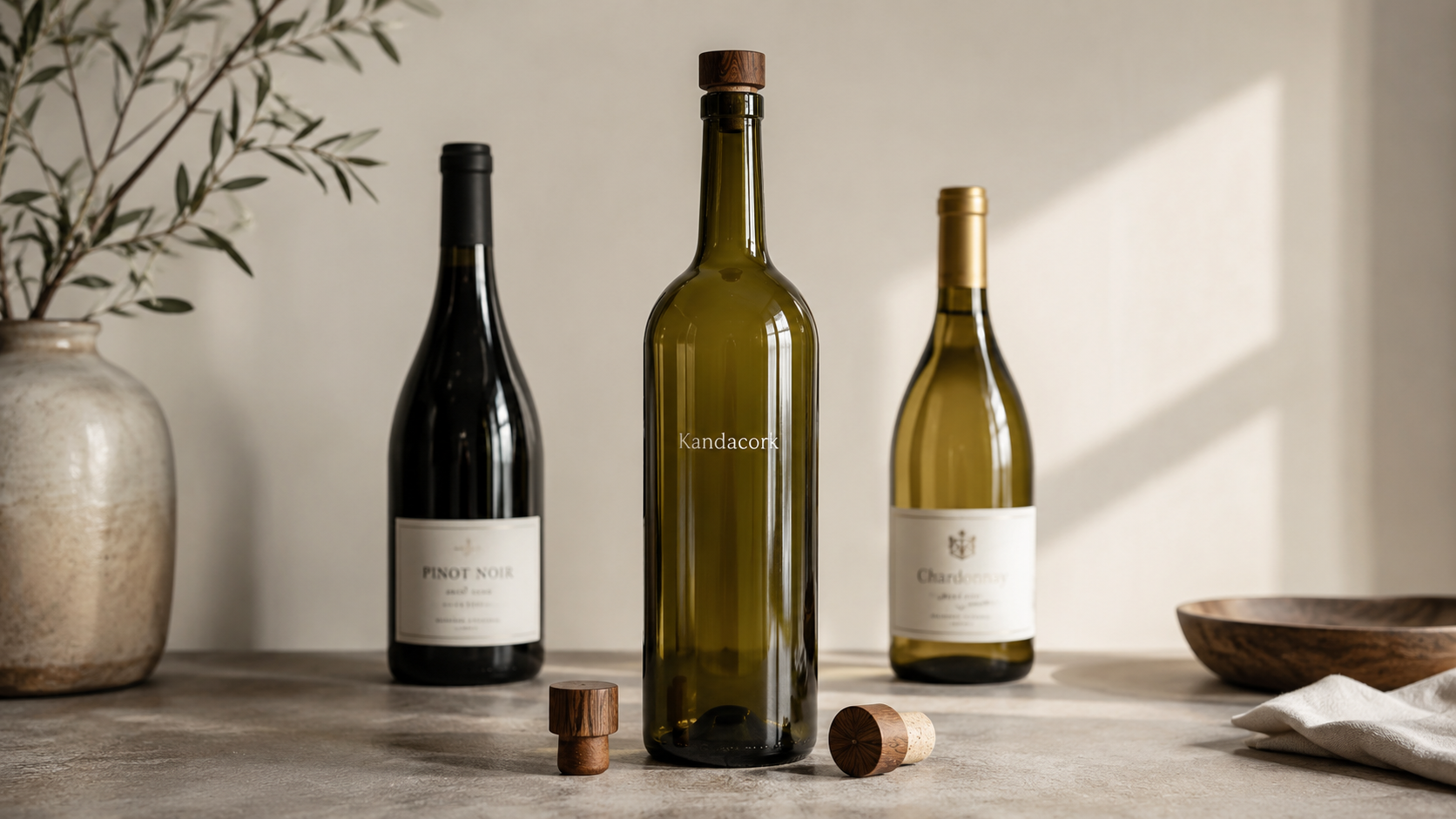
The best liqueur bottle shape depends on product style, label space, closure system, filling-line behavior, and brand positioning. Round bottles are the safest choice for flexibility, square bottles improve shelf impact, tall slender bottles highlight color, and decanter bottles support premium gifting.
This liqueur bottle shape guide is written for distilleries, private-label beverage brands, spirits companies, and packaging buyers comparing custom liqueur bottles, wholesale glass liqueur bottles, and bulk bottle supply options. A bottle is not only a container. It affects shelf appeal, label visibility, pouring performance, closure matching, carton packing, export logistics, and customer perception.
For liqueur brands, bottle shape is especially important because the category is flavor-driven and visually expressive. Fruit liqueurs may need clear glass to show color. Cream liqueurs may need a smooth, rounded, or frosted bottle to suggest richness. Herbal liqueurs often benefit from vintage, apothecary, or amber glass designs. Premium dessert liqueurs may need a heavier base, luxury closure, or custom molded silhouette.
Glass remains one of the strongest packaging materials for spirits and liqueurs because it is nonporous, impermeable, and highly suitable for preserving flavor, aroma, and product character. According to the Glass Packaging Institute’s facts about glass packaging, glass has almost zero chemical interaction with packaged food and beverage products, making it especially suitable for premium beverage presentation.
Quick Answer: Best Liqueur Bottle Shapes by Use Case
A round liqueur bottle is best for reliable filling, labeling, and cost control. A square liqueur bottle is best for premium shelf blocking and flat label panels. A tall slender bottle is best for colorful fruit, citrus, and cocktail liqueurs. A decanter-style bottle is best for luxury, gifting, and limited editions.
| Liqueur Type | Recommended Bottle Shape | Why It Works |
|---|---|---|
| Fruit liqueur | Clear round or tall slender bottle | Shows color, freshness, and natural flavor cues |
| Cream liqueur | Rounded, frosted, opaque, or heavy-base bottle | Communicates smoothness, richness, and indulgence |
| Coffee or chocolate liqueur | Dark glass, square, or decanter-style bottle | Supports dessert, premium, and after-dinner positioning |
| Herbal liqueur | Apothecary, vintage round, or amber glass bottle | Suggests botanical heritage and craft formulation |
| Orange or citrus liqueur | Tall slender or square bottle | Improves bar visibility and cocktail appeal |
| Gift or limited edition | Decanter or custom molded bottle | Creates premium, collectible, and high-margin value |
For B2B buyers, the best bottle is not always the most dramatic one. The best choice is the shape that supports the brand story while still working smoothly with filling equipment, labeling machines, closures, cartons, pallets, and export shipping.
Planning a liqueur bottle project? Kandacork Glass can help compare stock molds, semi-custom options, and custom bottle development based on your fill size, closure type, label dimensions, decoration method, and order quantity. Buyers who are still comparing general spirits bottle formats can also review Kandacork’s standard spirits bottles guide for sizes, shapes, closures, and buyer tips before finalizing a liqueur-specific direction.
Updated Buyer Note: Bottle Size and Market Compliance
Bottle size flexibility has become more important for spirits and liqueur brands. In the United States, the Alcohol and Tobacco Tax and Trade Bureau added new standards of fill for distilled spirits, effective January 10, 2025. The TTB standards of fill update for wine and distilled spirits gives brands more flexibility when planning bottle capacity, market format, and export strategy.
This matters for bottle shape selection because a 50 mL mini, 375 mL gift bottle, 700 mL export bottle, and 750 mL retail bottle may require different proportions, label panels, neck finishes, closures, and carton structures.
For the EU market, Regulation (EU) 2019/787 defines liqueur as a spirit drink category with minimum sweetening requirements and a general minimum alcoholic strength of 15% ABV. Brands selling into Europe should review the EU spirit drinks regulation for liqueur definitions before finalizing bottle molds, labels, and cartons.
What Makes Liqueur Bottles Different from Standard Liquor Bottles?
Liqueur packaging usually needs to communicate flavor more directly than vodka, whiskey, gin, or rum packaging. A liqueur may be fruit-based, cream-based, coffee-flavored, chocolate-flavored, herbal, floral, nut-based, or dessert-inspired. The bottle shape should help the customer understand that flavor position quickly.
A whiskey bottle often emphasizes tradition, age, and strength. A vodka bottle may focus on purity or minimalism. A liqueur bottle often needs to show color, sweetness, texture, indulgence, cocktail use, gifting appeal, or botanical complexity.
This is why a practical liqueur bottle shape guide should not only describe bottle silhouettes. It should also explain how shape affects label design, closure fit, filling-line stability, decoration methods, shelf blocking, and total packaging cost.
Common Liqueur Bottle Shapes for Spirits Brands
Round Liqueur Bottles
Round bottles are the most flexible option for many liqueur brands. They are widely compatible with filling lines, labeling equipment, cartons, dividers, and closure systems.
A round bottle works well when the brand wants a classic, approachable, and reliable packaging format. It is suitable for fruit liqueurs, herbal liqueurs, cream liqueurs, cocktail liqueurs, and private-label programs.
Round glass bottles are also easier to decorate in multiple ways. They can support pressure-sensitive labels, wet-glue labels, screen printing, hot stamping, frosting, spraying, and neck labels. For a fast launch or first production run, this shape often reduces operational risk.
Best applications include:
- Fruit liqueurs with bright liquid color
- Herbal liqueurs with classic positioning
- Cream liqueurs with smooth brand language
- Private-label liqueur projects
- Mid-volume and high-volume production
- Brands that need simple labeling and efficient logistics
Manufacturer tip: If you choose a round bottle for bulk production, confirm the label diameter tolerance and bottle body roundness before mass labeling. Even small dimensional variations can affect high-speed label alignment.
Square Liqueur Bottles
Square bottles create strong shelf presence. Their flat sides improve label display and make the bottle easier to recognize from a distance. For retail shelves and back bars, this can help a brand achieve stronger visual blocking.
A square liqueur bottle is a good choice for premium fruit liqueurs, coffee liqueurs, chocolate liqueurs, orange liqueurs, and modern cocktail brands. The shape suggests structure, confidence, and a more premium product image.
However, square bottles require careful packaging checks. Buyers should confirm corner radius, label panel flatness, carton dividers, bottle weight, and pallet configuration before approving production.
Best applications include:
- Premium fruit liqueurs
- Coffee and chocolate liqueurs
- Orange and citrus liqueurs
- Modern cocktail brands
- Retail products needing strong shelf blocking
- Brands that want a clean geometric identity
Manufacturer tip: For square bottles, request bottle drawings with front panel dimensions, side panel dimensions, shoulder radius, and base width. These details help the label designer and carton supplier avoid costly changes later.
Tall Slender Liqueur Bottles
Tall slender bottles create elegance and vertical shelf impact. They are often used for citrus liqueurs, floral liqueurs, herbal aperitif-style products, and colorful cocktail-focused spirits.
This shape works especially well when the liquid color is part of the brand story. Clear flint or extra-flint glass can make orange, berry, melon, herbal, or floral liqueurs look more vibrant and premium.
The main risk is operational stability. Tall bottles may need more testing on conveyors, filling lines, and packing lines. They may also require taller cartons and different pallet arrangements.
Best applications include:
- Orange liqueur
- Citrus liqueur
- Floral liqueur
- Fruit liqueur
- Cocktail-bar products
- Premium clear-glass presentations
Manufacturer tip: Before choosing a tall bottle, test the bottle’s center of gravity. A beautiful tall bottle can still become inefficient if it tips during filling, labeling, or case packing.
Flask and Oval Liqueur Bottles
Flask and oval bottles are useful for smaller liqueur formats. They work well for mini bottles, tasting kits, gift boxes, travel retail, seasonal products, and promotional sets.
These shapes feel more portable and giftable. They are especially suitable for 50 mL, 100 mL, 200 mL, 250 mL, and 375 mL formats.
The main limitation is label space. Curved or narrow front panels can restrict artwork, ingredients, compliance information, and barcode placement. If the bottle is too curved, pressure-sensitive labels may wrinkle or lift at the edges.
Best applications include:
- Mini liqueur bottles
- Gift packs
- Sampling programs
- Travel retail
- Seasonal product launches
- Premium small-format bottles
Manufacturer tip: For oval bottles, always test label adhesion on the actual glass surface. Label performance can change depending on curvature, coating, frosting, adhesive type, and storage temperature.
Decanter-Style Liqueur Bottles
Decanter-style bottles communicate luxury. They often use thick glass, heavy bases, broad shoulders, and premium closures. This shape is suitable for high-margin liqueurs, gift editions, coffee liqueurs, chocolate liqueurs, aged liqueurs, and limited releases.
A decanter-style bottle can make a liqueur feel more collectible and valuable. It is especially powerful when paired with a bar-top cork, glass stopper, embossed logo, metallic label, or premium gift box. For brands developing luxury silhouettes, Kandacork’s brandy and cognac bottle manufacturer page for aged spirits programs is a useful internal reference because many decanter-style engineering principles also apply to premium liqueur bottles.
The trade-off is cost. Heavy glass increases material use, freight weight, and packaging cost. Complex shapes may also require longer development time and stricter quality control.
Best applications include:
- Premium dessert liqueurs
- Coffee and chocolate liqueurs
- Gift editions
- Limited-edition spirits
- Luxury retail products
- Brands seeking a collectible bottle silhouette
Manufacturer tip: For heavy-base bottles, confirm glass distribution and base thickness consistency. Uneven glass distribution can affect appearance, weight tolerance, and filling-line performance.
Apothecary and Vintage-Inspired Bottles
Apothecary bottles work well for botanical, herbal, and craft liqueurs. Their visual language suggests formulation, ingredients, extraction, and tradition.
This style often pairs well with amber glass, natural cork stoppers, textured labels, embossing, and vintage typography. It is a strong choice for herbal liqueurs, amaro-style products, bitters-inspired liqueurs, and botanical spirits.
Best applications include:
- Herbal liqueurs
- Botanical liqueurs
- Craft distillery products
- Vintage-inspired brands
- Natural ingredient positioning
- Products with a strong origin story
Manufacturer tip: If you use amber glass or dark sprayed glass, confirm that the brand still has enough label contrast. A beautiful dark bottle may reduce readability if the label material and printing method are not chosen carefully.
Custom Mold Liqueur Bottles
A custom molded bottle is the strongest option for brand differentiation. It allows the brand to control the shoulder, body, base, embossing, logo placement, grip area, and overall silhouette.
Custom bottle development is best for brands with stable demand, premium positioning, or strong visual identity needs. It can also help protect the brand from direct packaging imitation.
A custom mold usually requires more planning than a stock bottle. Buyers should prepare the target fill size, expected order quantity, closure type, label dimensions, decoration method, reference design, and destination market before development begins.
Best applications include:
- Premium liqueur brands
- High-volume private-label programs
- Holiday or collector editions
- Brands that need exclusive shelf identity
- Products with unique origin or flavor stories
- Companies ready to invest in mold development
Manufacturer tip: Before opening a mold, request 2D drawings, 3D renderings, capacity confirmation, estimated bottle weight, neck finish details, and carton packing recommendations.
Liqueur Bottle Shape Decision Matrix
Use this decision matrix when comparing custom liqueur bottles, stock glass bottles, and wholesale packaging options.
| Buyer Priority | Best Shape | Reason |
|---|---|---|
| Lowest launch risk | Round bottle | Proven filling, labeling, and packing performance |
| Strong shelf blocking | Square bottle | Flat panels and geometric visibility |
| Color visibility | Tall clear bottle | Shows fruit, citrus, floral, or botanical color |
| Premium gifting | Decanter bottle | Heavy base and luxury silhouette |
| Craft botanical identity | Apothecary bottle | Traditional, herbal, and vintage cues |
| Sampling program | Mini flask or oval bottle | Suitable for small formats and gift sets |
| Label storytelling | Square or round bottle with broad panel | Supports larger front and back labels |
| Export efficiency | Round or optimized square bottle | Easier carton design and pallet loading |
| Brand exclusivity | Custom mold bottle | Creates a recognizable proprietary silhouette |
This table helps buyers avoid choosing bottle shape based only on appearance. A well-designed bottle should support both marketing and production.
Shape vs Cost vs Production Risk
Bottle shape affects tooling cost, filling-line risk, label application, carton design, and total landed cost. Buyers should compare both design impact and production practicality before approving samples.
| Bottle Shape | Cost Level | Production Risk | Best For |
|---|---|---|---|
| Round | Low to medium | Low | Fast launch, private label, high-volume production |
| Square | Medium | Medium | Premium shelf blocking and strong label display |
| Tall slender | Medium | Medium | Elegant colorful liqueurs and cocktail brands |
| Flask or oval | Medium | Medium | Mini bottles, gift sets, and travel retail |
| Decanter | Medium to high | Medium to high | Gift, luxury, and limited editions |
| Custom mold | High | High | Exclusive brand identity and high-volume projects |
A lower-cost bottle is not always the best choice, but a complex shape should justify its added cost through stronger branding, better shelf visibility, higher perceived value, or improved product differentiation.
How Liqueur Bottle Shape Affects Brand Positioning
Bottle shape creates the first impression before the customer reads the label. The silhouette tells the buyer whether the product feels classic, modern, premium, craft, playful, botanical, or luxurious.
A round bottle feels familiar, flexible, and approachable. A square bottle feels bold, structured, and premium. A tall slender bottle feels elegant and cocktail-focused. A heavy decanter bottle feels luxurious and giftable. A vintage apothecary bottle feels botanical, traditional, and craft-oriented.
For liqueurs, these cues are especially important because flavor is central to purchase behavior. A raspberry liqueur can use clear glass to show a bright red color. A cream liqueur can use a rounded or frosted bottle to suggest smoothness. A coffee liqueur can use dark glass or a heavy square bottle to suggest richness and depth.
The goal is to make the bottle shape match the product promise. If the flavor is light and fruity, the bottle should not feel too heavy or dark. If the product is premium and giftable, a thin standard bottle may not communicate enough value.
How Liqueur Bottle Shape Affects Labeling, Decoration, and Shelf Appeal
Bottle shape controls what designers can do with labels and decoration. Flat panels are easier for label application and barcode placement. Curved panels can look elegant but may limit large labels. Tapered bodies can create a premium shape, but labels may wrinkle if the adhesive and die-cut are not tested.
Common decoration options include:
- Pressure-sensitive labels
- Wet-glue labels
- Screen printing
- Hot stamping
- Frosting
- Color spraying
- Embossing
- Debossing
- Metallic labels
- Shrink sleeves
- Neck labels
- Capsules and tamper-evident bands
Decoration can transform a simple bottle into a premium package. A standard round bottle can look more upscale with frosting, hot stamping, and a matched cork closure. A square bottle can feel more luxurious with embossing, thick glass, and a metallic front label. For brands comparing decoration processes and supplier capabilities, Kandacork’s custom spirits glass bottle manufacturing and decoration overview provides additional context on premium extra-flint glass, heavy-bottom structures, and integrated bottle finishing.
For bulk production, decoration should be tested before mass approval. Frosted bottles may require different label adhesives. Sprayed bottles may need abrasion testing. Embossed bottles should be checked for label clearance and mold seam placement. For retail and export projects, barcode placement should also be checked against GS1 barcode quality guidance so that curved panels, dark backgrounds, metallic finishes, or insufficient quiet zones do not reduce scan reliability.
How Liqueur Bottle Shape Affects Cork, Cap, and Closure Selection
A bottle shape must work with the right closure system. Liqueur brands commonly use bar-top corks, synthetic corks, screw caps, aluminum caps, glass stoppers, and tamper-evident closures.
A cork stopper supports a premium, craft, or traditional image. A screw cap supports convenience, repeat opening, and consistent resealing. A glass stopper creates luxury appeal but usually requires tighter tolerance control. Aluminum caps and tamper-evident closures are practical for retail, export, and markets where visible security is important.
Buyers should confirm:
- Neck finish
- Bore diameter
- Closure diameter
- Stopper fit
- Cap torque
- Pouring performance
- Leakage resistance
- Tamper-evident requirement
- Compatibility with filling equipment
- Transport test results
Closure matching is especially important for syrupy liqueurs, cream liqueurs, and products with higher viscosity. If the neck opening is too narrow, pouring may feel slow or messy. If the closure fit is inconsistent, leakage risk increases during shipping. Buyers comparing cork, synthetic cork, aluminum, plastic, and bar-top systems can review Kandacork’s bottle stopper and closure manufacturer page for premium spirits to align bottle shape with the correct neck and sealing system.
How Bottle Shape Affects Filling, Packing, and Logistics
Bottle shape has a direct impact on production efficiency. A design may look attractive in a rendering but perform poorly during filling, labeling, packing, or international shipping.
Round bottles usually run smoothly on filling and labeling lines. Square bottles offer strong shelf presence but need careful carton divider design. Tall bottles need stability testing. Heavy decanter bottles need stronger cartons and may increase freight cost. Unusual custom shapes may need additional quality checks before bulk approval.
Procurement teams should evaluate:
- Filling-line stability
- Conveyor handling
- Labeling accuracy
- Case packing
- Carton divider design
- Pallet configuration
- Drop-test performance
- Container loading efficiency
- Breakage risk
- AQL inspection requirements
- Total landed cost
For export projects, packaging validation should not be treated as an afterthought. The International Safe Transit Association explains that packaged-product testing should be repeated when product, package, or process changes may affect performance; its guidance on when a packaged product should be retested is useful when changing bottle shape, glass weight, closure, carton structure, or distribution route.
A reliable supplier should help evaluate these details before mass production. The best liqueur bottle shape is the one that balances branding, usability, and supply-chain performance.
Liqueur Bottle Size and Shape Pairing Guide
Fill size should be selected together with shape. A 50 mL mini bottle has different design priorities than a 750 mL retail bottle or a 1 L duty-free bottle.
| Fill Size | Common Use | Recommended Shape |
|---|---|---|
| 50 mL / 100 mL | Samples, mini bars, gift sets | Mini round, flask, or oval |
| 200 mL / 250 mL | Trial size, travel retail | Flask, oval, or small square |
| 375 mL | Half bottle, gifting | Round, square, or decanter-style |
| 500 mL | Premium craft or EU-style format | Round, tall slender, or apothecary |
| 700 mL / 750 mL | Standard retail spirits formats | Round, square, tall slender, or decanter |
| 1 L | Duty-free, bar, club, export | Tall round, square, or ergonomic bottle |
For export projects, confirm the accepted standards of fill in the target market before finalizing molds, labels, cartons, and customs documentation. The bottle shape should be designed around the approved volume, not adjusted after artwork and tooling are complete.
Stock vs Custom Liqueur Bottles
Not every brand needs a custom mold. Many successful liqueur brands start with a stock bottle and use label design, decoration, closure matching, and secondary packaging to create differentiation.
| Option | Best For | Advantages | Watchouts |
|---|---|---|---|
| Stock bottle | Faster launch and lower budget | Shorter lead time, lower tooling cost, proven performance | Less exclusive shape |
| Semi-custom bottle | Growing brands | Custom decoration, closure, color, label, and packaging | Base shape may still be shared |
| Custom mold bottle | Premium or high-volume brands | Unique silhouette, stronger brand ownership, embossing options | Higher MOQ, tooling cost, longer development |
For many buyers, the practical path is to launch with a stock or semi-custom liqueur bottle, validate market demand, and then develop a custom mold once volume becomes stable.
Liqueur Bottle Design Checklist for Buyers
Use this checklist before requesting a quotation from a glass bottle supplier:
- Target market: U.S., EU, duty-free, domestic retail, or export
- Product type: fruit, cream, coffee, herbal, citrus, dessert, or botanical liqueur
- Fill size: 50 mL, 100 mL, 200 mL, 375 mL, 500 mL, 700 mL, 750 mL, 1 L, or another approved size
- Bottle shape: round, square, tall slender, flask, oval, decanter, apothecary, or custom
- Glass color: clear, extra flint, amber, green, black, frosted, or sprayed
- Closure type: cork stopper, synthetic cork, screw cap, aluminum cap, or glass stopper
- Label area: front label, back label, neck label, tax stamp, and capsule clearance
- Decoration: embossing, screen printing, hot stamping, frosting, spraying, or metallization
- Packaging: inner carton, dividers, master carton, pallet, and export packing
- Testing: leakage, drop test, thermal shock, closure fit, and filling-line trial
- Documents: technical bottle drawing, specification sheet, sample approval, QC report, and compliance support
- Inspection: visual defects, capacity tolerance, neck finish tolerance, weight tolerance, and AQL inspection plan
- Commercial terms: MOQ, lead time, tooling fee, sample cost, payment terms, and shipping method
This checklist helps buyers compare suppliers more efficiently. It also reduces the risk of choosing a bottle that looks good visually but fails during filling, labeling, or logistics.
Image SEO Recommendations
For better Google Images and Bing visual search performance, add original images, diagrams, or comparison graphics to the final page. Use compressed WebP or JPG files and descriptive filenames.
| Image Type | Suggested File Name | Suggested Alt Text |
|---|---|---|
| Bottle shape comparison | round-square-decanter-liqueur-bottle-shapes.webp | Round, square, tall slender, decanter, and custom liqueur bottle shapes for spirits packaging buyers |
| Closure matching diagram | liqueur-bottle-closure-matching-cork-cap.webp | Liqueur bottle neck finish with cork stopper, screw cap, and tamper-evident closure options |
| Label panel example | liqueur-bottle-label-panel-design.webp | Flat and curved label panels on glass liqueur bottles for custom packaging design |
| Custom bottle project flow | custom-liqueur-bottle-development-process.webp | Custom liqueur bottle development process from drawing and sample to bulk production |
Use images that show real bottle silhouettes, label panels, closures, and decoration options. Avoid generic stock images when possible because original product photography can improve trust and conversion.
Why Work with Kandacork Glass?
Kandacork Glass supports beverage brands, distilleries, and private-label buyers with custom glass bottles, liquor bottle packaging, premium closures, cork stoppers, and bottle decoration solutions.
For liqueur projects, Kandacork Glass can help compare stock bottle options, develop custom molds, match cork or cap closures, prepare decoration samples, and support bulk production. The team can also help evaluate label panel size, neck finish, glass weight, carton efficiency, closure fit, and export packing.
If you already have a reference bottle, target fill size, label artwork, closure concept, or launch timeline, Kandacork Glass can provide a practical packaging recommendation for your next liqueur bottle project. To discuss project details, sample requirements, or bulk production planning, contact the team through the Kandacork Glass spirits bottles, closures, and decoration inquiry page.
Summary: How to Choose the Right Liqueur Bottle Shape
The best liqueur bottle shape should balance brand story, shelf visibility, label design, closure fit, filling performance, and logistics cost. Round bottles are best for flexibility, square bottles are best for shelf impact, tall bottles are best for color display, and decanter or custom bottles are best for premium positioning.
For commercial projects, choose the shape only after confirming fill size, neck finish, label panel, decoration method, closure system, carton structure, and target market requirements. This approach helps avoid costly changes after sampling and gives the final package a better chance of performing well in production, shipping, retail, and consumer use.
FAQ
What is the best bottle shape for liqueur?
The best bottle shape for liqueur depends on the product and brand position. Round bottles are the most flexible, square bottles create premium shelf impact, tall slender bottles highlight color and elegance, and decanter-style bottles are best for luxury or gift liqueurs.
Are clear glass bottles good for liqueur?
Clear glass bottles are excellent for fruit, citrus, floral, and colorful liqueurs because they allow the liquid color to become part of the packaging design. For cream, coffee, chocolate, or herbal liqueurs, frosted, amber, dark, or sprayed glass may create a richer premium effect.
Is a square liqueur bottle better than a round bottle?
A square liqueur bottle offers stronger shelf blocking and a more premium geometric look. A round bottle is usually easier for filling, labeling, packing, and cost control. The better choice depends on whether your priority is visual differentiation or operational efficiency.
What closure is best for liqueur bottles?
Bar-top corks, synthetic corks, screw caps, aluminum caps, and glass stoppers can all work for liqueur bottles. The best closure depends on the neck finish, product viscosity, sealing requirement, brand image, and target market.
Can I customize the shape of a liqueur bottle?
Yes. A custom mold can create a unique bottle silhouette, custom shoulder, heavy base, embossed logo, or special decorative structure. Custom liqueur bottles are best for premium brands, high-volume programs, and products that need a distinctive shelf identity.
What information should I send to a bottle supplier?
Send your target fill size, reference bottle shape, closure type, label dimensions, decoration method, order quantity, destination market, and launch timeline. These details help the supplier recommend the right glass liqueur bottle and avoid problems during sampling or mass production.
How do I choose between stock and custom liqueur bottles?
Choose a stock bottle if you need a faster launch, lower tooling cost, and proven performance. Choose a custom mold if your brand needs a unique silhouette, premium positioning, high-volume production, or stronger packaging differentiation.